

A comprehensive guide of Clare’s Law, legal background, up-to-date information and tips for protection from domestic violence
Clare’s Law has an unfortunate but very important backstory:
- In 2009, Clare Wood – a young woman in the United Kingdom – was murdered by her partner.
- Her partner had a history of abusive behavior of which Clare was unaware.
- Clare’s father campaigned vigorously which resulted in a law known as the Domestic Violence Disclosure Scheme (DVDS). It is more popularly known as Clare’s Law.
Lawyers have called it “a bridge between hidden history and informed choice.” It is about protection as opposed to punishment.
Content Hints
In What Way Does Clare Law Function?
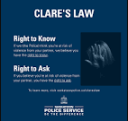
Clare’s Law has two main components:
- Right to Ask: You can request information from the police about a partner’s history of violence.
- Right to Know: Police may proactively inform you if they believe you’re at risk.
The process is discreet and safe. Think of it like a safety check rather than a public record.
What Are the Latest Updates and Insights?
Recent investigative findings show:
- Proactive disclosures by UK police have increased nearly 20% over the last two years.
- Digital systems now use behavioral risk assessments alongside criminal records.
- According to reports from attorneys, the implementation of Clare’s Law varies by jurisdiction, and some police forces react faster than others. As a solicitor with experience in cases of domestic abuse explained, “Clare’s Law is a powerful tool, but it’s only as powerful as the police force following the request.”
What is the Legal Authority of Clare Law?
Clare’s Law is supported by several statutory frameworks, namely:
- Home Office – Domestic Violence Disclosure Scheme (DVDS) Guidance
- Data Protection Act 2018 – as long as it serves a purpose of safety, confidential information can be shared then there are no issues.
- Human Rights Act (Article 2) – State obligation to protect life
- The Police’s Common Law Duty to Protect – Police have the power to warn at-risk individuals and that is why Clare’s Law varies
Recent reforms to the law such as the Police, Crime, Sentencing and Courts Act 2021 have made the law more consistent across jurisdictions.
What are Lawyers’ thoughts on Clare Law?
Lawyers see Clare’s Law as:
- Life-saving for potential victims.
- Imperfect, as records may be incomplete or scattered across regions.
Recommended improvements include nationwide timelines for disclosure and upgraded data-sharing systems.
How Can You Verify Information from Clare’s Law?
Verification steps:
- Check local court listings for prior offenses.
- Consult domestic abuse support services.
- Seek advice from solicitors specializing in family or criminal law.
Verification ensures you understand the full context for informed safety decisions.
Real-Life Scenarios Where Clare Law Matters
- New Relationships: Clarify hidden risks or inconsistencies.
- Friends or Family Concerns: Confirm suspicions to support someone safely.
- Past Relationship Patterns: Understand abrupt or troubling behaviors to prevent recurrence.
What to Do After Receiving a Disclosure
- Seek legal advice if safety is a concern.
- Contact domestic abuse services for support.
- Avoid confronting the individual directly.
- Arrange safe accommodations if necessary.
“Clarity without action is just information. Clarity with support is protection.” Lawyer
Statistics and Effectiveness
- Over 9,000 proactive disclosures in the past year (2024–2025).
- 42% of Right to Ask requests resulted in relevant information.
- Areas using digital risk-assessment tools reported a 27% increase in early interventions.
These figures attest to the life-saving power of this Law.
Key Takings
- Every search of Clare’s Law is a search for safety, guidance, and empowerment.
- Understanding it could really make a difference for you or someone you care about.
- Use it wisely, verify the information you receive, and share it with a professional and service where appropriate.
- Clare’s Law empowers people to make safe choices because the best way to save lives is through informed choices.
Additional Resource
- The Law Society Domestic Abuse Law: A legal breakdown of domestic abuse protections, including how of Clare’Law fits into broader safeguarding and family law frameworks.